
HISTORY OF THE MONTEGO BAY CULTURAL CENTRE
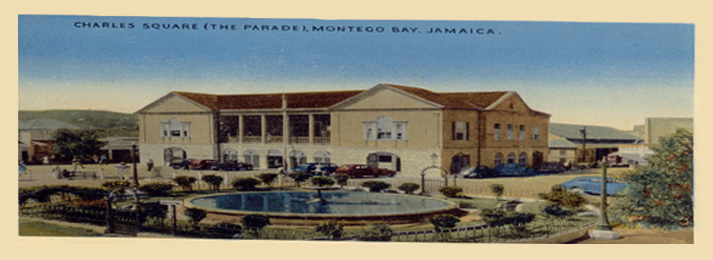
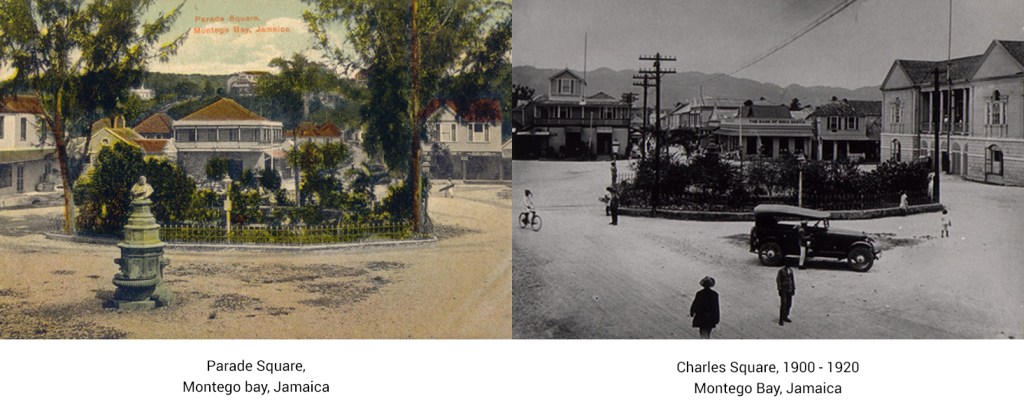
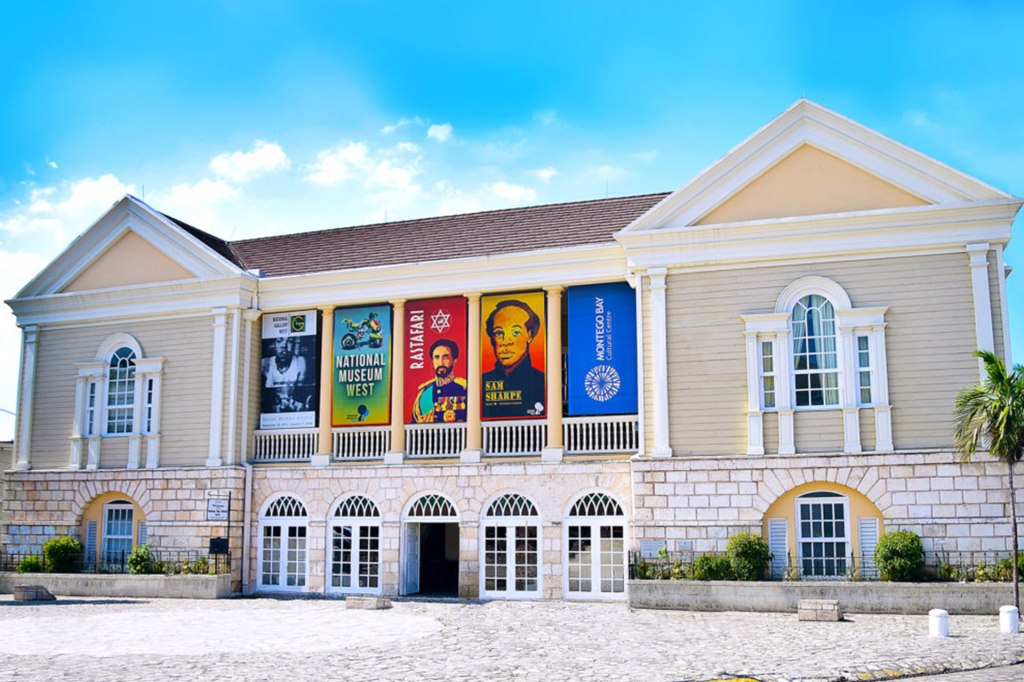
The Montego Bay Cultural Centre played a significant role in the fight for Emancipation in Jamaica. The building, which has been in existence since 1803, was first used as a courthouse. The building hosted many trials for enslaved Africans and also hosted many ballroom events for the whites during the period of slavery.
Enslaved Africans, including National Hero Samuel Sharpe, were tried in this very monumental building, which stands tall in Montego Bay. Following the massive Christmas Rebellion, full freedom came on August 1, 1838, and the Emancipation Act was read from the balconies of the now Montego Bay Cultural Centre.
Following the end of slavery, the courthouse continued to be used as a court office and local government offices.
As Montego Bay started to grow in terms of new businesses, urban development, and infrastructure development, the local government offices were too small, and the courthouse was moved to its new location on St. James Street.
The building was destroyed by fire in 1968. However, in 2001, the building was restored by the Urban Development Corporation with funding from the Venezuelan Government through the San Jose Accord, and reopened as the Montego Bay Cultural Centre.
On July 11, 2014, the building was refurbished and renovated by the Tourism Enhancement Fund and officially rebranded as the Montego Bay Cultural Centre on a memorandum of understanding between the St. James Municipal Corporation and the Montego Bay Arts Council.
References:


 Montego Bay Cultural Centre